

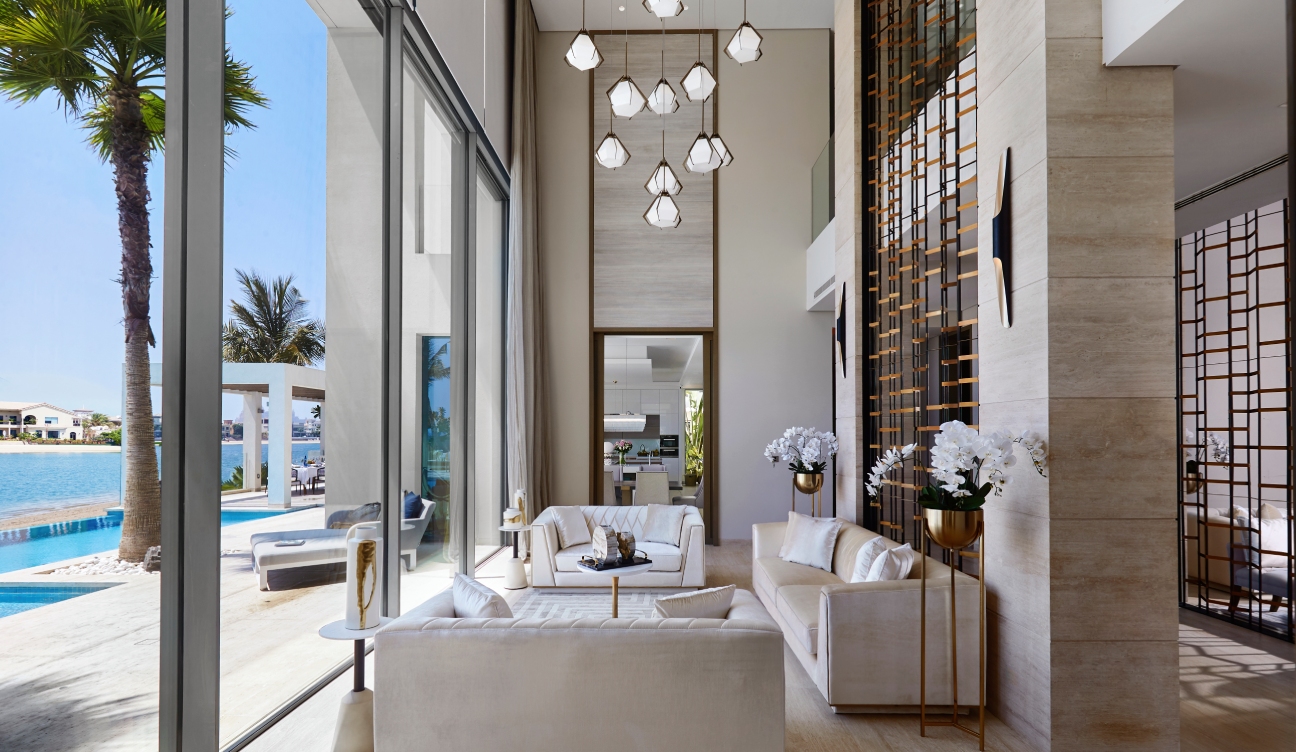

Texture plays a critical role in interior design, yet it is often overlooked or undervalued. The use of texture can elevate a space from ordinary to extraordinary, adding depth and interest to the overall design. Here is why interior design consultants in UAE always put texture high on their list, and how anyone can do the same.
Embrace layering contrasts:
Pairing opposites creates visual excitement. Smooth marble floors gain warmth beside chunky wool rugs. Polished metal accents shine brightly against matte wall finishes. Such combinations stop spaces from feeling static. Depth emerges when eyes dance between varied finishes, keeping interest alive throughout every corner.
Consider comfort through fabrics:
Soft textiles ground any area. Velvet pillows, linen curtains, or faux fur throws invite relaxation. These materials change how skin reacts to furniture, turning stiff seats into cozy retreats. Choosing high-quality weaves adds physical softness while visual softness helps rooms feel welcoming. Comfort remains key when selecting materials for daily use.
Highlight natural elements:
Bringing nature inside grounds modern setups. Raw wood grains, rough stone surfaces, or woven baskets offer organic beauty. These items connect people to earth, adding warmth without trying too hard. Natural patterns provide endless visual interest that manmade objects struggle to replicate. Earthy tones blended with rugged textures create timeless appeal.
Balance heavy and light:
Visual weight matters significantly. Heavy items like stone fireplaces or thick leather sofas anchor rooms. Lighter pieces like glass tables or sheer drapes keep things airy. Proper distribution prevents lopsided looks. Mixing massive, sturdy pieces with delicate, transparent elements creates harmony. Balance ensures rooms feel settled, never cluttered or empty.
Focus on lighting interaction:
Light changes perception of surfaces. Harsh beams highlight every bump on rough walls, creating dramatic shadows. Soft glow smooths out textures, lending gentle elegance. Directing light onto interesting finishes emphasizes architectural details. Changing bulb warmth or lamp placement alters how surfaces feel under different times of day. Smart lighting raises basic materials.
Utilize accessories wisely:
Small items hold massive impact. Ceramic vases, metallic bowls, or textured art frames act as final touches. These decorative objects introduce concentrated doses of material variety without needing major renovations. Swapping small pieces occasionally updates styles instantly. Carefully selected accessories reinforce themes, tying larger elements together effortlessly.